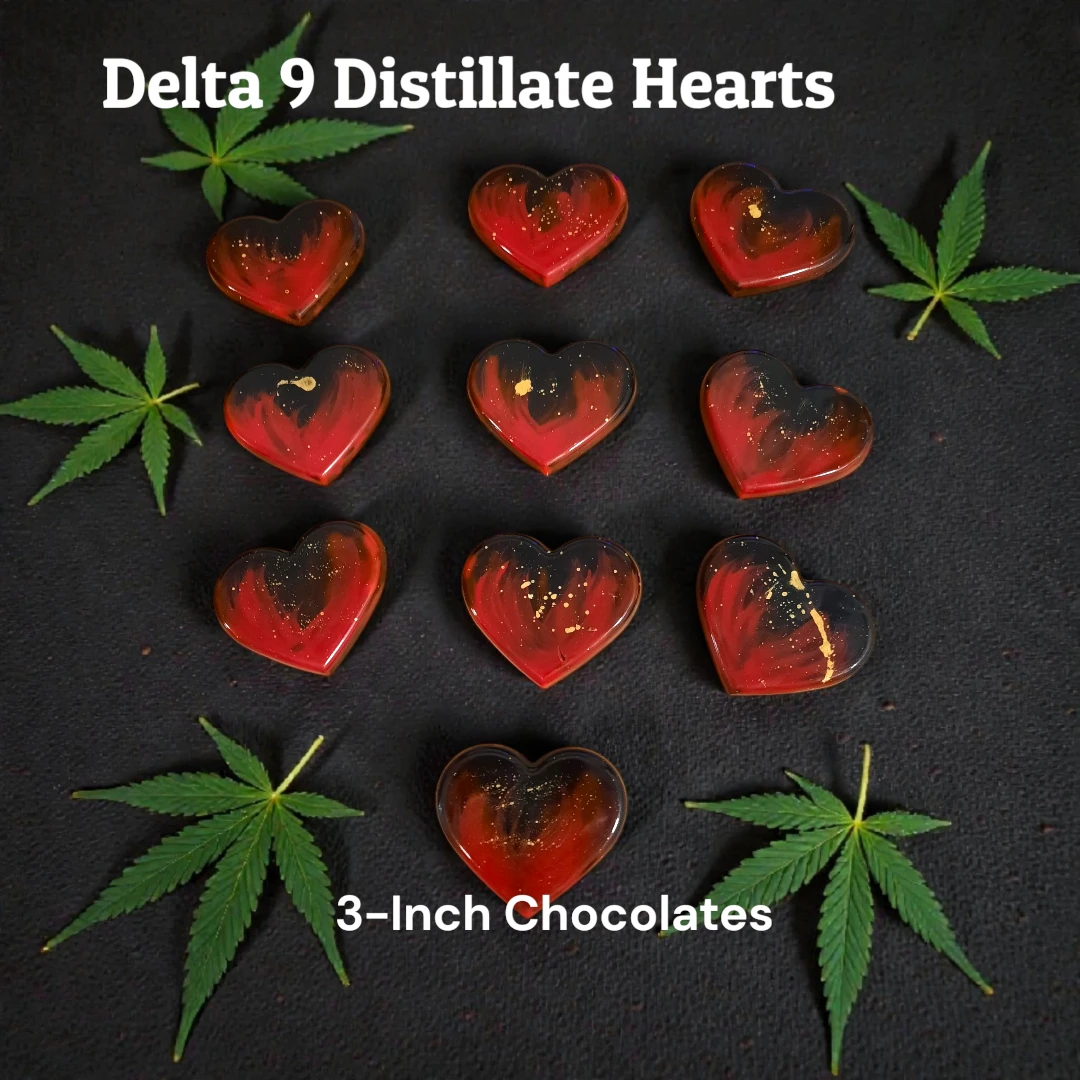
Cannabis is full of fascinating compounds, and two of the most talked-about are THC and THCA. What is the difference between THC and THCA? If you’re curious about the answer and how these two cannabinoids affect your experience, this guide will break it all down. From chemistry and effects to edibles like THC-infused chocolates, you’ll get a complete picture.
Understanding THCA
THCA stands for tetrahydrocannabinolic acid. It’s a naturally occurring compound in raw cannabis plants. In its unheated form, THCA does not produce a high. Many people enjoy it for its potential wellness benefits without psychoactive effects.
Key points about THCA:
- Found in raw cannabis flower and leaves
- Non-psychoactive until heated
- Often consumed in raw preparations, tinctures, or juiced cannabis
- Converts to THC through decarboxylation
What is THC?
THC, or tetrahydrocannabinol, is the active compound that causes the classic “high” from cannabis. When THCA is heated—through smoking, vaping, or cooking—it loses a carbon molecule and becomes THC. This process activates its psychoactive properties.
THC highlights:
- Produces euphoria, relaxation, or creativity
- Can influence focus, appetite, and sensory perception
- Found in cannabis oils, edibles, and vapes
Decarboxylation: How THCA Becomes THC
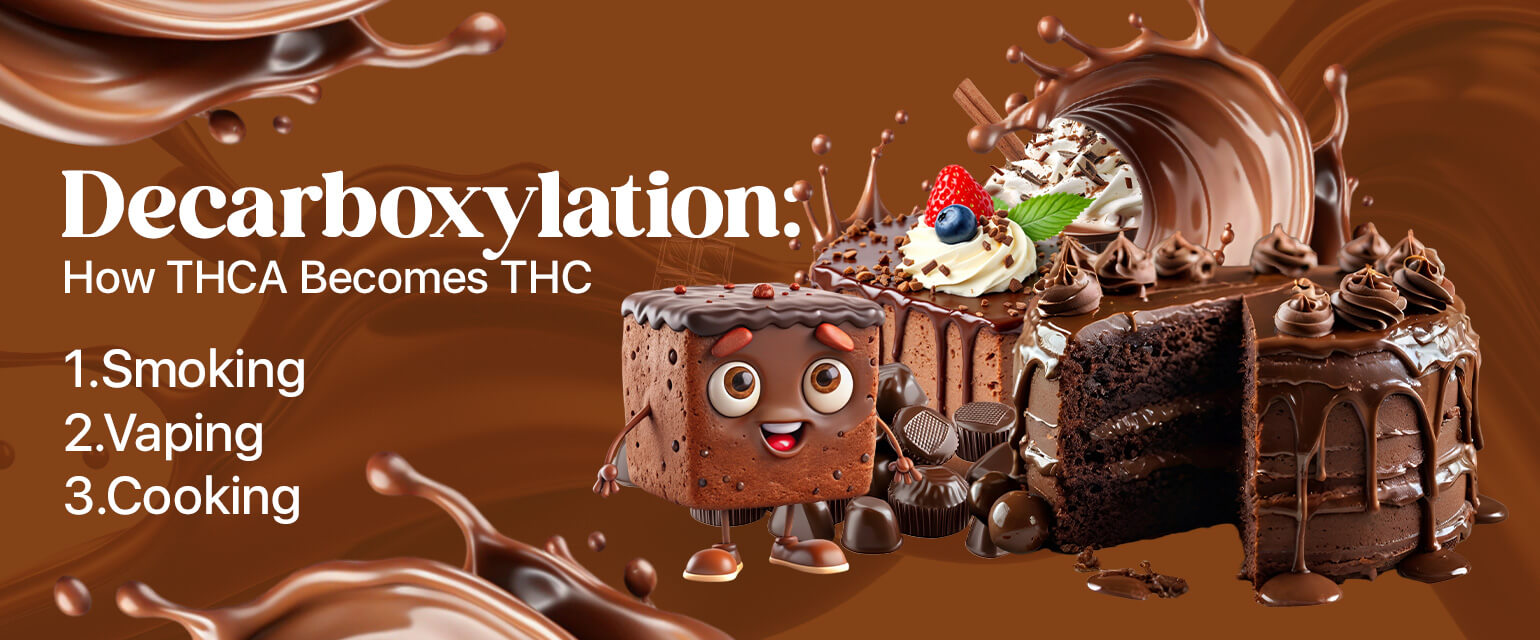
Decarboxylation is the chemical process that turns THCA into THC. Heat removes a carboxyl group (COOH), activating the compound. Without this step, raw THCA remains non-psychoactive.
Common decarboxylation methods:
- Smoking: Instant conversion as heat directly hits the flower.
- Vaping: Controlled temperature ensures efficient activation with smooth vapor.
- Cooking: Edibles like chocolate require baking at proper temperatures (typically 220–240°F) for 30–45 minutes.
THCA vs. THC: Key Differences
| Feature |
THCA |
THC |
| Psychoactivity |
None |
High (when consumed) |
| Found in |
Raw cannabis |
Heated cannabis or decarboxylated products |
| Effects |
Non-psychoactive |
Euphoric, relaxing, stimulating |
| Common Uses |
Wellness, anti-inflammation, raw juicing |
Recreational, edibles, tinctures, vapes |
| Legal Status (US) |
Generally legal if <0.3% Delta-9 THC |
Regulated, varies by state |
Consumption and Effects
When you consume THCA, you may feel subtle benefits like:
- Anti-inflammatory support
- Potential relief from nausea or muscle discomfort
- Calmness without intoxication
Once THCA becomes THC, the effects can include:
- Euphoria or happiness
- Relaxation or mild sedation
- Enhanced creativity or focus
- Altered sensory perception
- Increased appetite
What is the difference between THC and THCA?
It lies in the intensity of the effects. The intensity depends on dosage, method, and your body’s metabolism.
THCA in Edibles: Why It Matters
Many cannabis chocolates and other edibles start with THCA-rich extracts. When baked or infused, the heat converts THCA into THC. Understanding this ensures you control your experience.
Tips for safe edible use:
- Start low and go slow (5–10 mg THC for beginners)
- Wait 60–90 minutes before taking more
- Keep out of reach of children or pets
THC and THCA in Chocolate Products
Chocolate is one of the most popular ways to enjoy cannabinoids. High-quality chocolate can mask earthy cannabis flavors while maintaining potency. The key is temperature control—overheating can degrade THC and terpenes, reducing taste and effect.
Benefits of THC-infused chocolate:
- Consistent dosing with clear labeling
- Long-lasting effects
- Enjoyable flavor that blends sweetness with cannabinoids
Legal Status of THCA and THC
THCA, in raw form and under 0.3% Delta-9 THC, is federally legal under the 2018 Farm Bill. THC, however, is regulated and may be restricted depending on state laws.
Important notes:
- THCA vapes and edibles are legal federally if Delta-9 THC remains under 0.3% by dry weight.
- States like Texas, Idaho, and South Dakota have stricter rules for cannabinoids, including THCA once converted to THC.
- Always check local regulations before purchasing, traveling, or gifting cannabis products.
THCA and THC in the Body
Both compounds interact with the endocannabinoid system. THC binds primarily to CB1 receptors in the brain, causing psychoactive effects. THCA interacts more with CB2 receptors and offers potential wellness support without intoxication, similar to how
delta 9 oil for cooking provides potential benefits without the same intensity of effects.
Drug Testing Considerations
Even if you consume only THCA, once heated and converted to THC, it can show up on standard drug tests. THC metabolites remain in the system for days to weeks depending on frequency.
Choosing the Right Product
When buying chocolates or other edibles:
- Check third-party lab reports for potency and purity
- Start with lower doses if new to cannabis
- Ensure THC content aligns with your tolerance and local laws
Recent Research and Insights
Studies continue to explore THCA’s therapeutic potential:
- Anti-inflammatory and neuroprotective properties
- Possible anti-nausea and appetite-stimulating effects
- Preservation of terpenes during vaping or edible preparation improves flavor and benefits
Practical Tips for Chocolate Infusions
- Use low, steady heat for decarboxylation
- Combine with fats like cocoa butter for better THC absorption
- Store in airtight containers away from light and heat
THCA vs. THC in Chocolate Edibles
| Feature |
THCA Chocolate |
THC Chocolate |
| Psychoactivity |
None until heated |
High |
| Activation |
Requires baking or cooking |
Already active |
| Flavor |
Subtle, earthy |
Rich, terpene-driven |
| Onset |
Slow if raw |
30-90 mins |
| Effects |
Wellness support |
Euphoria, relaxation |
The Takeaway
What is the difference between THC and THCA? Understanding it is key to a safe, enjoyable experience. THCA offers potential wellness benefits, while THC delivers psychoactive effects.
For chocolate lovers, high-quality infused products — or even
delta 9 cookies — provide a delicious, controlled way to enjoy cannabinoids. Keep track of dosage, follow legal guidelines, and start slow to enjoy your chocolate experience responsibly.
By knowing how THCA converts to THC, how to bake, vape, or infuse it, and what effects to expect, you can make informed choices for your wellness or recreational journey. High-quality chocolates that preserve flavor and potency bring the best of both worlds: taste and cannabis benefits.
Must Read:
What is Tinctures THC & How Do You Use Them?
- October 13, 2025
- View: 342
- Categories: Blog