
What You Must Know About Chocolate Caramel Truffle?
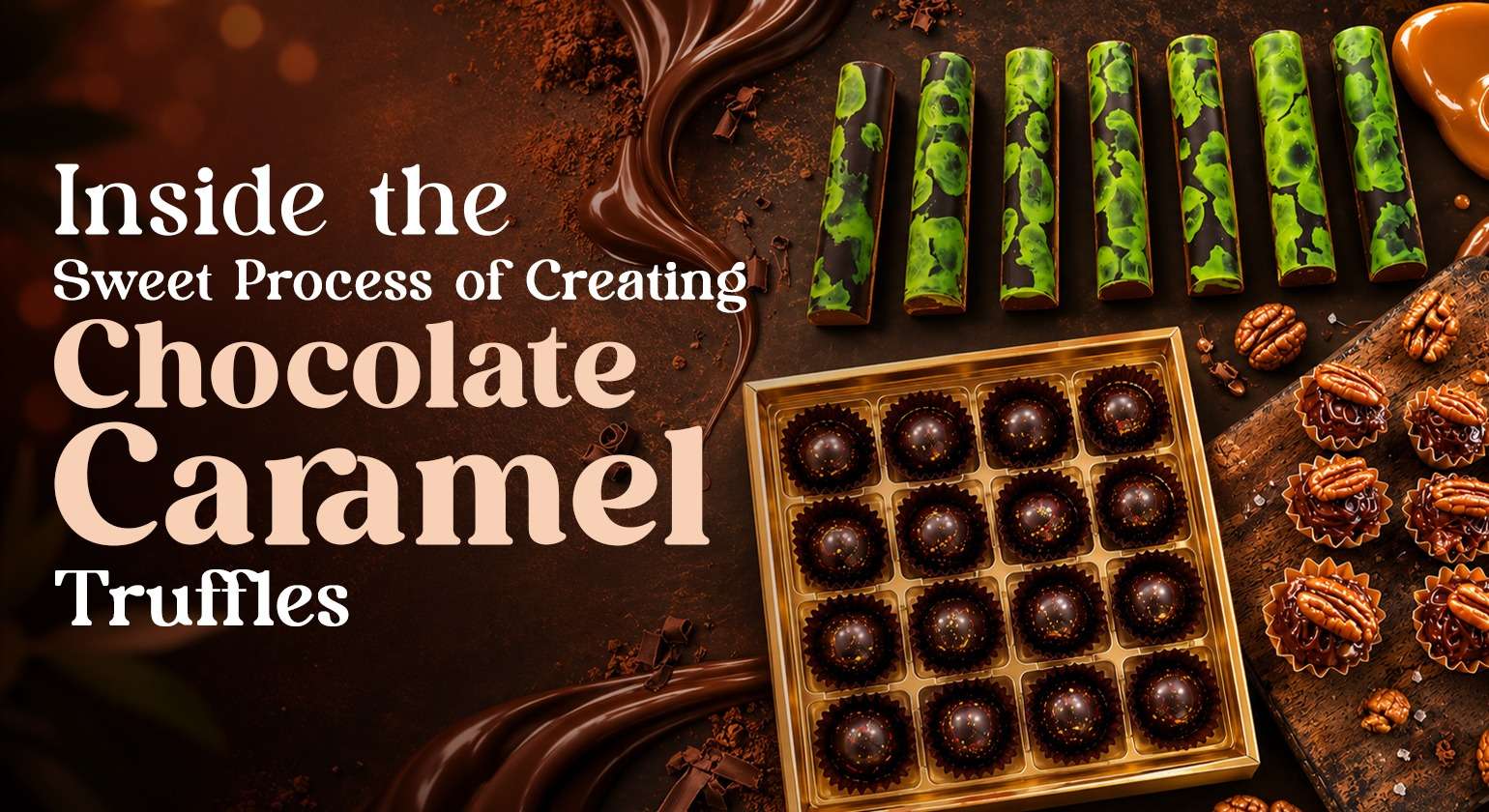
Chocolate Caramel truffles mix a chocolate exterior with a soft caramel or caramel ganache center. The outside offers a structure and chocolate bite. Inside you will find caramel with a softer texture and deeper sweetness. You may also notice similar pieces called bonbons. However, chocolatiers do not always use these terms the same way. So, generally, molded chocolates with a filled center are known as bonbons. Whereas, truffles are those several styles of filled or coated chocolates.Chocolate Caramel Truffle Vs Traditional Caramel: What You Must Know
| Feature | Chocolate Caramel Truffle | Traditional Caramel |
|---|---|---|
| Exterior | Chocolate shell or coating | Usually no chocolate shell |
| Center | Caramel or caramel ganache | Cooked caramel |
| Texture | Firm or smooth shell with soft center | Mainly chewy or soft |
| Flavor | Chocolate and caramel together | Mostly caramel-forward |
| Finish | Molded, dipped, painted, or decorated | Cut, wrapped, or coated |
| Common Use | Gifting, dessert boxes, specialty chocolates | Candy, baking, snacking |
From Ingredients to Finished Truffle: Getting to Know the Sweet Process
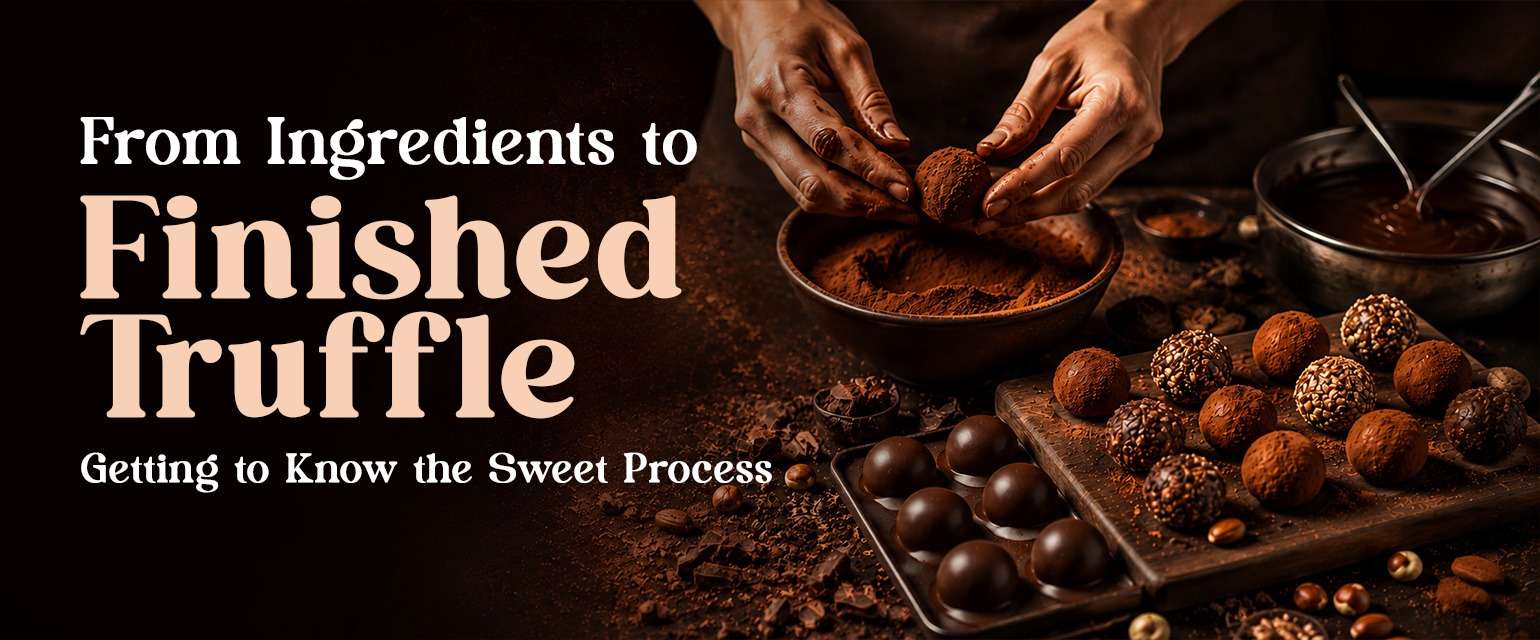 Making these caramel is not just a matter of pouring caramel into chocolate. So, here’s what you need to know:
Step 1 - Selecting the Chocolate
Professional chocolatiers use couverture chocolate for molded pieces because it contains enough cocoa butter to flow well when melted and tempered correctly. That fluid texture makes it easy to create a thin and even shell.Step 2 - Preparing the Caramel Ganache
Next is the center. Caramel ganache combines caramel flavors with ingredients that ensure a smooth, soft filling. However, exact recipes differ from one chocolatier to another. However, if the caramel gets too hot then it can affect the filling texture. Yet, if it cools too much before being handled then it may become difficult to pipe neatly into the chocolate shell.Step 3 - Tempering With the Chocolate
Tempering chocolate is the process of carefully heating and cooling chocolate to create stable cocoa butter crystals. Properly tempered chocolate has a smooth finish, crisp snap, even texture, and a glossy appearance when set.
Step 4 - Creating the Chocolate Shell
Once you temper the chocolate, it goes into the mold. The chocolatier fills each cavity with melted chocolate to cover the entire surface. The mold is then turned or tapped so excess chocolate comes out. This will leave behind a thin shell. If the shell is too thick then it will dominate the caramel. But if it’s thin then it will crack or break your finished chocolate when removed from the mold.Step 5 - Adding the Caramel Center
Once the shell is ready, the caramel filling is piped into each cavity. Chocolate makers will not fill the mold all the way to the top. A small amount of space must remain so another layer of chocolate can seal the piece. Adding warm caramel to set a chocolate shell affects the chocolate. That is why the filling is usually given enough time to reach the proper working temperature first. This stage is also where the chocolate to caramel balance is made.Why is Couverture Chocolate Different Than Mass Produced Ones?
Couverture chocolate contains high amounts of cocoa butter. And that helps melted chocolate flow smoothly. When you temper it properly, it can produce molded chocolates with a polished finish, clean snap and smooth melt. So, this makes it a popular choice for artisan truffles and bonbons.| Quality | Couverture Chocolate | Compound-Style Coating |
|---|---|---|
| Main fat | Cocoa butter | Often vegetable fats |
| Tempering | Usually required | Often not required |
| Flow when melted | Well suited for molding when prepared properly | Designed for convenient coating |
| Finish | Can become glossy after proper tempering | Varies by product |
| Texture | Clean snap and smooth cocoa-butter melt | Different melting feel |
| Common use | Bonbons, truffles, molding, dipping | Candy coating, dipping, decorative work |
Sealing, Setting and Hand Finishing
Once every cavity is filled, another layer of tempered chocolate is spread across the mold. This closes the bottom of each truffle. The pieces then need time to set before they can be removed. When the chocolate has been tempered and handled correctly, the finished chocolates should release more cleanly from the mold.Quick Glance at Handmade Vs Mass-Produced Chocolate Truffles
Handmade chocolate truffles with caramel tend to put more attention on small batches, decoration, ingredient selection and individual finishing.| Factor | Handmade Truffles | Mass-Produced Chocolates |
|---|---|---|
| Production size | Usually smaller batches | Large-scale runs |
| Decoration | Often applied or finished by hand | Usually standardized |
| Customization | More likely to be available | Usually limited |
| Appearance | Small variations may occur | Highly uniform |
| Filling | Often prepared in smaller quantities | Designed for large production |
| Freshness approach | May be made closer to order date | Often produced for longer distribution |
Why Does Freshness Matter With Caramel Truffles?
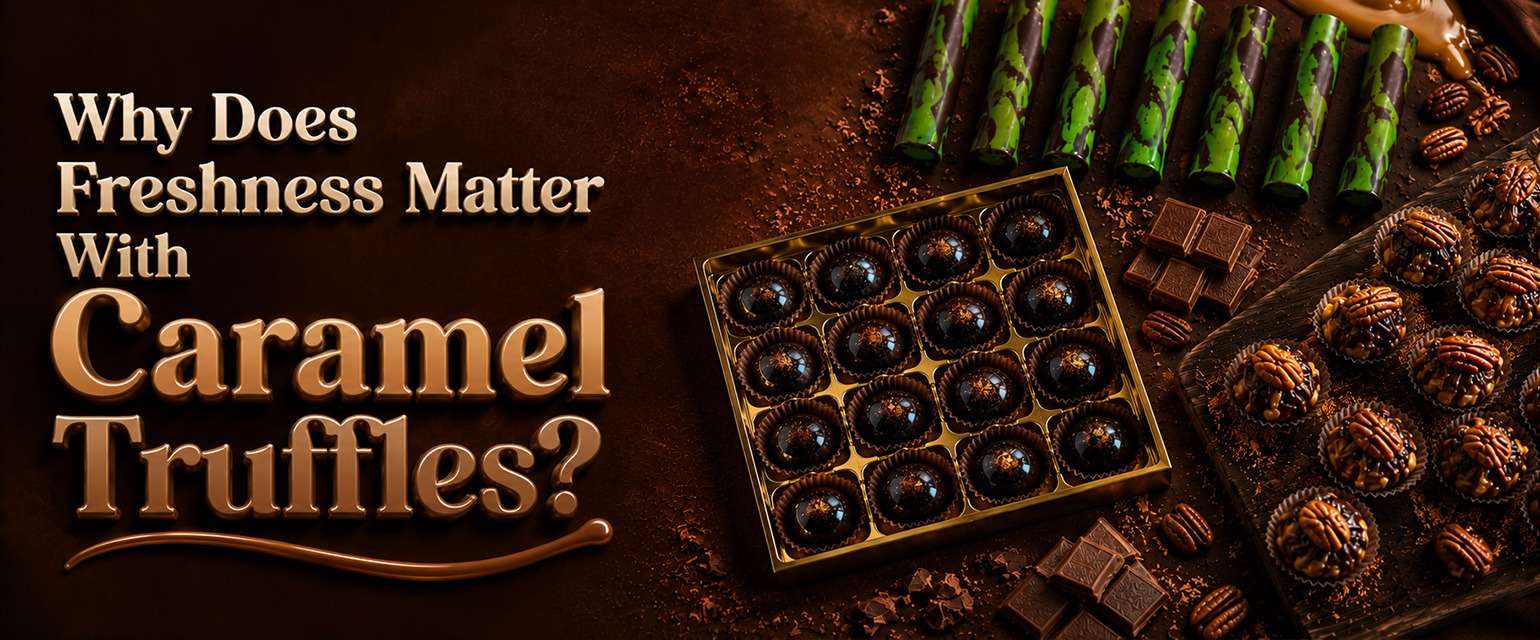 Chocolate caramel truffles are not your dry shelf stable candy in every case. Ganache and other soft centers contain ingredients that affect moisture, texture, and shelf life. That makes storage and shipping important.
Heat is another condition here.
Chocolate can soften down, lose its finish or melt when exposed to high temperatures. The handmade chocolate business has to think about more than simply placing a box in the mail.
Chocolate caramel truffles are not your dry shelf stable candy in every case. Ganache and other soft centers contain ingredients that affect moisture, texture, and shelf life. That makes storage and shipping important.
Heat is another condition here.
Chocolate can soften down, lose its finish or melt when exposed to high temperatures. The handmade chocolate business has to think about more than simply placing a box in the mail.
Picking Your Chocolate Caramel Truffle for Gifting
Here are the following occasions where gifting these caramels turns perfect:- Birthdays
- Anniversaries
- Thank-you gifts
- Host gifts
- Holiday celebrations
- Corporate gifts
- Wedding favors
- Client appreciation
- Small personal celebrations
What You Must Look for When Selecting Your Truffles Online?
You cannot taste chocolates first. Which is why the product description becomes much more important here.
Here are the five things worth checking out now when buy chocolate caramel truffles online:
1. Go Through the Ingredient Label
Look for information about the chocolate and filling rather than depending on words like premium or gourmet.
2. Check How They Are Made
The shop must explain if the chocolates are handmade, molded, hand painted, small batch or mass produced.
Process information tells you more about what you are paying for.
3. Review the Shipping Policy
Chocolate and summer heat do not get along well. So, check how the seller handles warm weather shipping and how long the package is expected to spend in transit.
4. Look for Freshness Information
Find out if the chocolate is made ahead in large batches or prepared closer to the order date.
5. Check Allergens and Customization
Nuts, milk, soy and other ingredients might matter depending on who will receive the chocolates.
If you are ordering for an event, also check for colors, fillings, packaging or designs that can be customized.
Final Takeaway
Making chocolate caramel truffles involves much more than placing caramel inside a chocolate shell. Each step plays a part in the flavor, texture, appearance, and overall experience. That is what makes handmade truffles interesting. A small piece of chocolate carries a surprising amount of craft. Eventually, feel free to explore Delta Chocolate Shop’s handmade chocolate collection and discover small batch treats crafted in South Carolina.FAQs
What are chocolate caramel truffles made of?
Chocolate caramel truffles generally contain a chocolate shell or coating filled with caramel or caramel ganache.What is caramel ganache?
Caramel ganache is a soft filling that combines caramel flavor with ingredients used to create a smooth, creamy texture.Why is chocolate tempered when making truffles?
Tempering helps organize the cocoa butter crystals inside chocolate. When done properly, the finished chocolate can have a glossy appearance, firmer structure, clean snap, and smooth texture.What is the difference between a chocolate truffle and a bonbon?
The terms sometimes overlap. Bonbons are commonly molded chocolates with a shell and filling, while traditional truffles are often ganache centers coated in chocolate or cocoa powder.How should handmade chocolate caramel truffles be stored?
Follow the chocolatier’s storage instructions first, since recipes differ. In general, chocolate should be protected from heat, direct sunlight, excess humidity, and strong odors.Can you buy handmade chocolate caramel truffles online?
Yes. Many artisan chocolatiers ship handmade truffles directly to customers. Before ordering, check the ingredients, production method, shipping speed, warm-weather policy, storage guidance, allergens, and freshness information.- August 25, 2026
- View: 322
- Categories: Blog